Home Poker Game Gear: What You Need
Updated
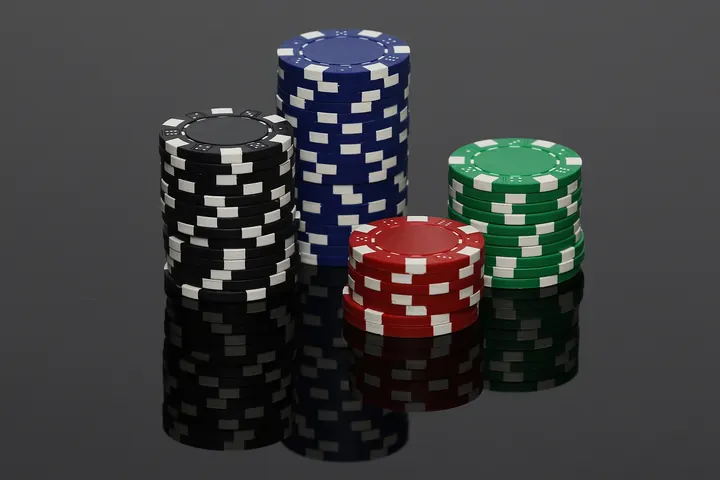
What do you need for a home poker game?
At minimum: one or two decks of cards, about 50 chips per player in three or four colours, and a dealer button. A felt table topper makes dealing easier but is optional. For a first game, plastic cards and a 300-piece chip set cover up to six players.
How many poker chips do you need?
Plan on about 50 chips per player. A 300-piece set covers about six players and a 500-piece set covers eight to ten. The 3,000-chip tournament stack in our set-up guide uses 27 chips a player, so the rest cover rebuys and making change during a cash game.
Three or four colours are enough. See chips and starting stacks for a breakdown by colour.
Chips
300-piece clay-composite chip set
Enough for about six players at around 50 chips each.
Chips
500-piece clay-composite chip set
Covers eight to ten players at around 50 chips each.
Which playing cards should you buy?
Buy plastic cards rather than paper ones. Plastic cards survive spills and bending, can be wiped clean and last far longer, which matters when the same deck is dealt hundreds of times a night. Get two decks with different backs so one can be shuffled while the other is dealt.
Cards
KEM plastic playing cards
Plastic cards stand up to spills and bending far better than paper ones and can be wiped clean.
Cards
Copag plastic playing cards
Another well-known brand of plastic playing cards.
Do you need a poker table?
No. Any table that seats everyone and lets each player reach the middle works. A felt topper laid over a dining table gives the cards and chips a softer surface and packs away afterwards. A folding poker table is worth it if your group plays every week.
Table
Poker table topper
A felt top that sits on your dining or kitchen table and packs away after the game.
Table
Folding poker table
A stand-alone table with its own legs, for groups that play often.
Do you need a dealer button?
You need something to mark the dealer position, because the blinds and the order of play depend on it. A coin or a spare chip works, but a proper dealer button is bigger, clearly marked and harder to mistake for a bet. It moves one seat to the left after every hand.
Where the button sits decides who posts the blinds and who acts last; poker positions explained shows every seat.
Dealer button
Dealer button
Any marker works, but a proper button is easy to see from every seat.
Is an automatic card shuffler worth it?
Only if shuffling slows your game down. A shuffler mixes one or two decks at the press of a button, which helps when nobody at the table shuffles well or the game runs late. It is a convenience, not a need: a careful riffle shuffle by hand works fine.
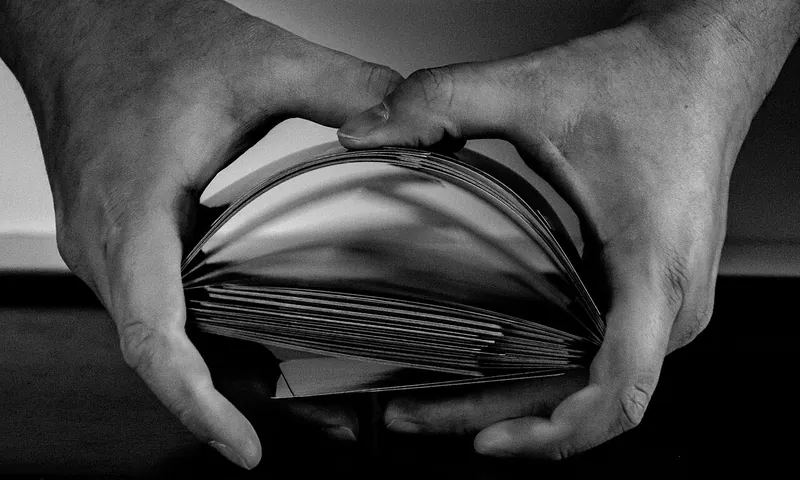
Most home games shuffle by hand. Riffle the two halves together, bridge the cards back into one deck, and repeat a few times before each deal. If you would rather have a machine do it:
Optional
Automatic card shuffler
Shuffles one or two decks at the press of a button. Handy, not needed.
What else helps
- A timer for tournament blind levels. A phone works.
- A pen and paper to track buy-ins and rebuys.
- The rules on paper. Print our Texas Hold'em cheat sheet for anyone new.
Related Reading
Sources
Chip counts per player follow the suggestions in our set-up guide; they are home-game guidance, not an official standard. Read how we check facts.